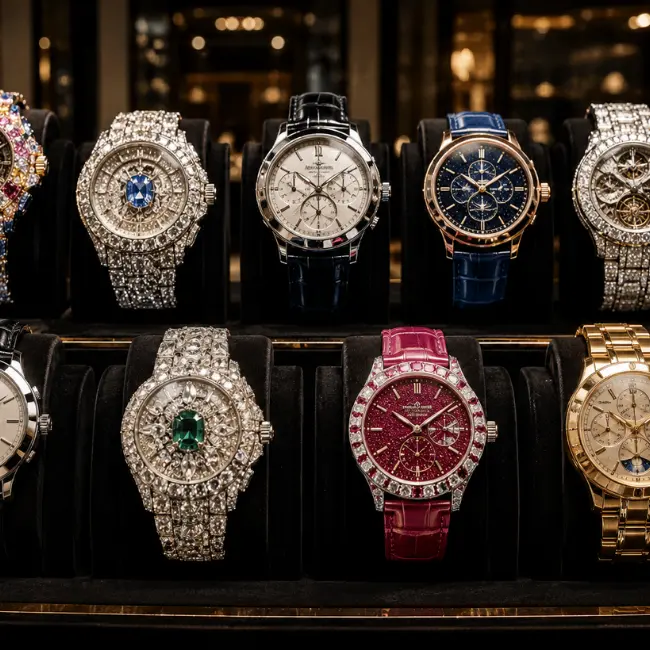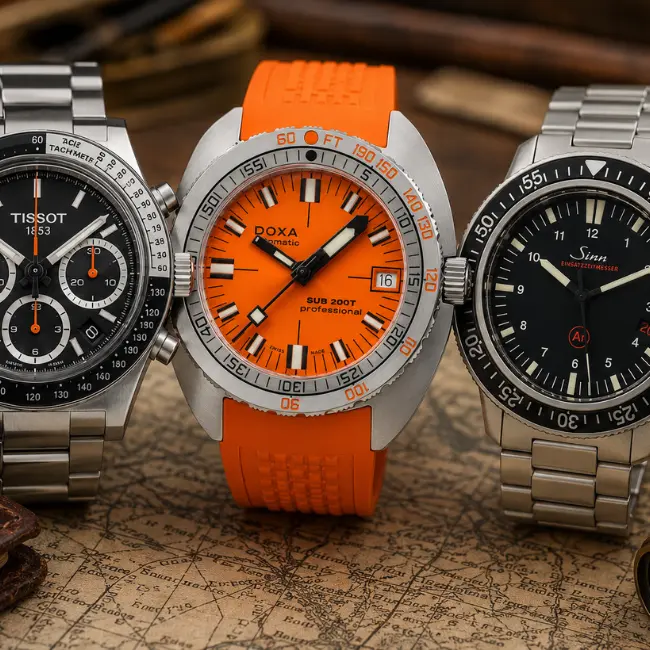
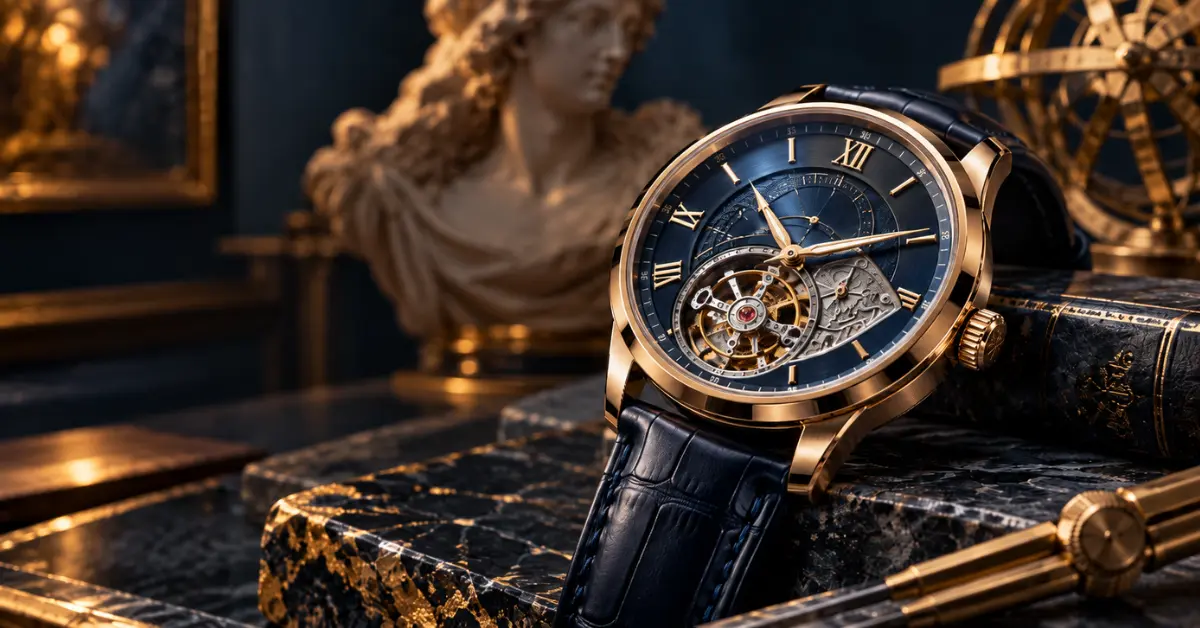
For centuries, watches have been useful for one thing: helping people keep track of time. Today’s luxury timepieces are much more than just functional. Today’s watches are wearable works of art combining precision engineering, artistic craftsmanship and innovative design.
Whether it’s hand-painted dials or complex mechanical movements, luxury watches are a testament to the perfect marriage of creativity and technical excellence. In the world of horology a fine watch is not just an accessory, but a work of art that represents culture, heritage and artistic expression.
Watches: From Tool to Art
The first portable timepieces were primarily constructed for accuracy and convenience. In the 16th and 17th centuries, as the craft of watch-making was evolving, the watchmakers started to use decorations in the form of engraved movements and gemstone settings.
It came to light in the 19th century that customers began to value beauty as much as function. That change inspired brands to make a watch that was visually stunning but also performed great. Today’s luxury watches are not just about telling time, but also about their artistic and cultural relevance.
The Craft of Luxury Watchmaking
Every luxury watch starts with a carefully considered design. Watchmakers spend months and sometimes years perfecting every detail of a timepiece.
Key artistic elements are:
Dial Design
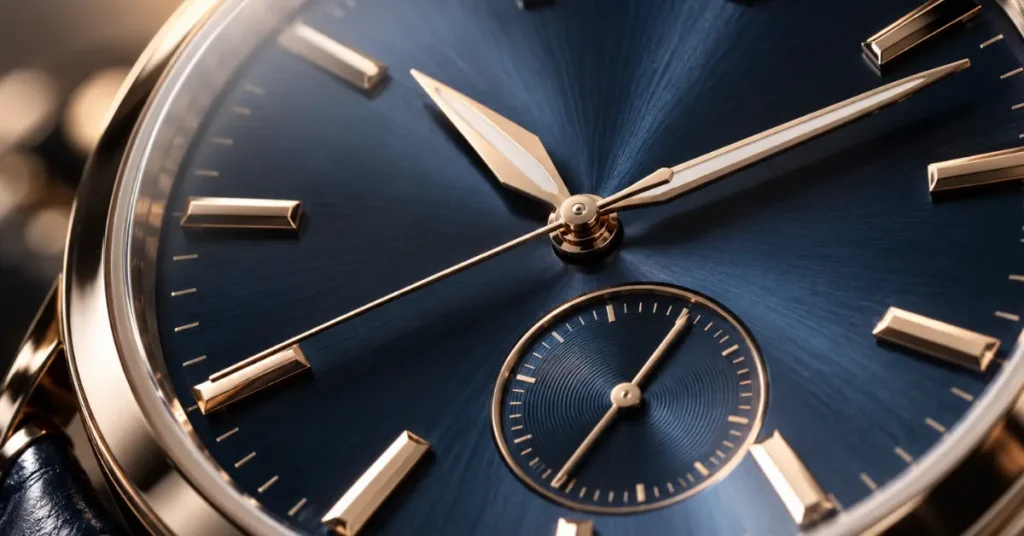
A Watch dial is a canvas for artistic expression. Techniques include
- Hand-painted details
- Mother-of-pearl decoration
- Enamel artwork
- Gemstone setting
- Setting of the gemstones
These techniques help transform luxury watches into wearable works of art.
Case Craftsmanship
Cases are frequently made from premium materials such as gold, platinum, titanium and stainless steel. These cases are hand-polished, engraved and finished by skilled artisans for exceptional visual appeal.
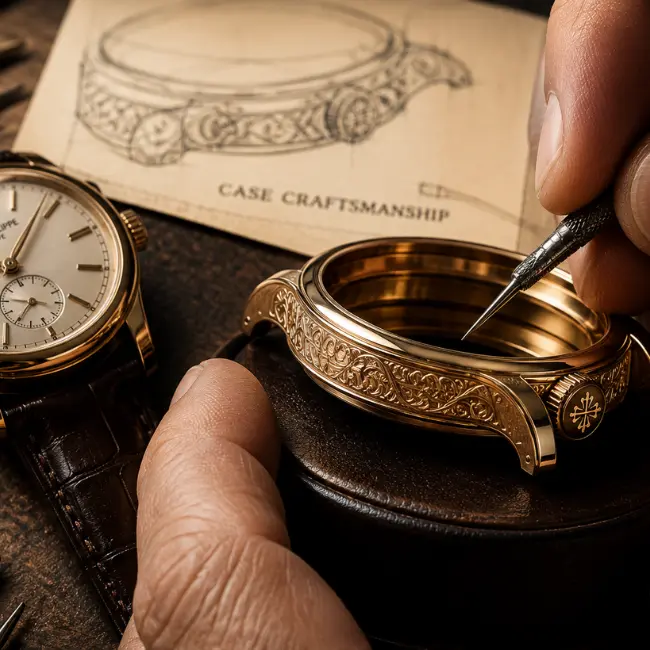
Hand Finished Components
Many luxury watches are made up of hundreds of individual parts, each one meticulously decorated and finished by expert craftsmen. The beauty is in the details. And the hidden details are the mark of high-end watchmaking.
Works of Art: Mechanical Movements
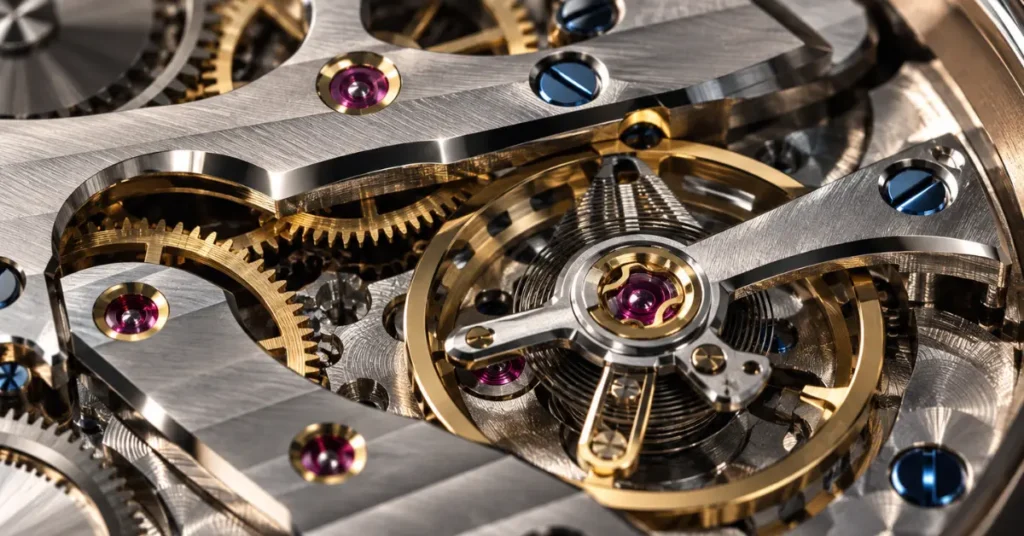
One of the most interesting things about luxury watches is the mechanical movement inside.
A mechanical movement is composed of dozens, sometimes hundreds of tiny parts working together in perfect harmony. These parts are often improved by watchmakers, employing traditional techniques such as:
- Geneve stripe
- Perlage finishing
- Hand engraving
- Skeletonization
For instance, skeleton timepieces reveal the inner workings of the mechanisms used, enabling people to see the beauty behind each mechanism.
How Did Some Famous Watch Companies Make Watchmaking An Art?
The renowned watchmakers have turned horology into an art.
These luxury watch companies never fail to impress everyone by introducing new products such as:
- Limited edition special art collections
- handmade details
- Complex mechanical complications
- Museum-quality designs
These innovations have helped make watches wearable works of art, not just instruments for telling time. For a different perspective on style and design, explore this guide to fashion watches and what makes them worth considering.
Influence of Art, Architecture, and Culture
Watch designers often find inspiration in art, architecture and cultural heritage.
Design influences are:
- Classical architecture .
- Contemporary art movements
- Wildlife and nature
- Historical sites
- Traditional crafts
This ingenious approach means that every watch has its own story to tell, but also reflects broader artistic traditions. These influences can also be seen in modern travel watches and GMT watches, where functionality, distinctive design, and craftsmanship come together.
Why Collectors See Watches as Wearable Works of Art
In the minds of watch collectors, their collections are personal art galleries. Unlike paintings or sculptures which one can display in a home, watches have the special advantage of being wearable.
Watch collectors love watches because:
- Craftsmanship
- Mechanical complexity
- Limited availability
Some special watches are highly collectable pieces of luxury jewelry, which become more valuable both culturally and financially over time. Their combination of craftsmanship and engineering is one reason collectors view them as Wearable Works of Art.
The Future of Artisanal Watchmaking
Technological progress opens new doors to innovation for artisan watchmakers who incorporate new materials and advanced production techniques into their designs in collaboration with artists.
Still, their main advantage is that such watches remain luxury items that people can wear on a daily basis and admire the masterpieces that adorn their wrists.
Conclusion
It turns out that wristwatches cannot simply tell time. They have a long history full of innovations, craftsmanship and brilliant ideas of artists. A luxury watch combines both beautiful looks and excellent performance of its functions thanks to its carefully designed dial and perfectly developed movement.
For every collector, aficionado or admirer, a good watch is not just a timekeeping device but also a piece of history and art.
Frequently Asked Questions (FAQs)
1. Why can luxury watches be considered wearable art?
Luxury watches can be said to be wearable art since they combine the beauty of artistic design and engineering. They turn into miniature pieces of art owing to the hand-painted dials, engraved mechanism, and set of gemstones.
2. Why did watches develop from simple timepieces into wearable art objects?
Watches were evolving over centuries owing to the appearance of decorative elements and use of gemstones by “clockmakers. Over the years, aesthetics became as important as functionality and this gave birth to artistic luxury timepieces.
3. What is the artistic aspect of a watch?
Some of the characteristics that convert watches into pieces of art include unusual dials, hand engraving, enameled work, skeleton movements, stone settings, and excellent craftsmanship. The above characteristics are creative and detailed.
4. What makes collectors see watches as art?
Collectors love watches for their craftsmanship, history, mechanical complexity and unique designs. A lot of rare watches are collectible art, as they represent both cultural legacy and technical mastery.
5. Are luxury watches hand-made?
Many luxury Classic watches have a lot of hand finishing and hand made details. Skilled artisans decorate, engrave, polish and assemble the components to guarantee outstanding quality and artistic appeal.
6. Do watches get more valuable with time?
Yes, some luxury and vintage watches become more valuable, including limited edition watches, unique timepieces, and premium watches that are much in demand among collectors.
7. What artistic techniques are used in the art of watchmaking?
Some artistic techniques that are often used include guilloche engraving, enameling, hand engraving, gem setting, skeletonizing, and decoration of the watch movement with decorative elements like Geneva stripes and perlage.