Switzerland’s been the watchmaking capital for centuries. They craft some of the finest timepieces around the globe. So it’s no surprise folks think of Swiss watches when precision comes to mind. Solothurn and its immediate area hold a special position in the History of the Watch Industry among the numerous watchmaking centers.
This piece focuses on Solothurn’s part in the Swiss watch story. We’ll check out how it became a major player, plus some of the bumps along the road. Also, we’ll see how its legacy shapes today’s high-end watch market.
The Origins of Watchmaking in Solothurn
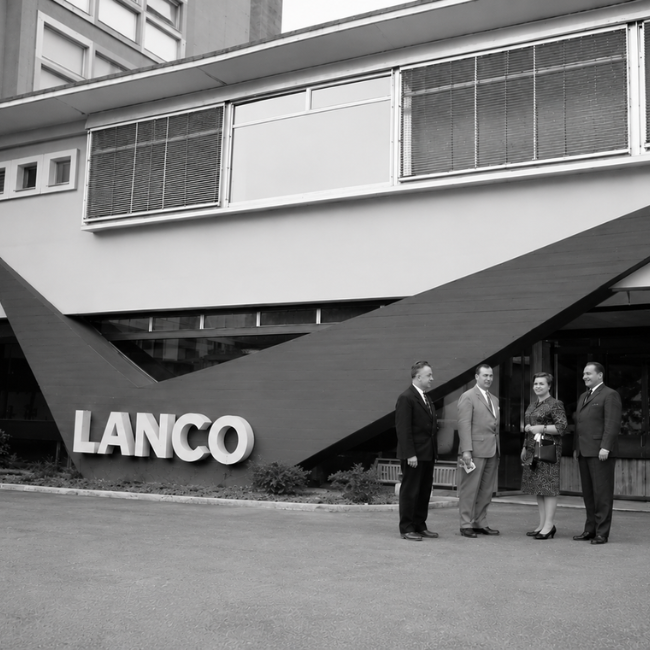
In the 1700s, watch work came to Solothurn. Craftsmen here whipped up timepieces for Swiss folk and beyond. Key perks like its prime spot, teeming talent pool, and heritage of ace craftsmanship drove biz growth.Watches were getting hot in Euro homes and pockets. So, locals grabbed this cash cow.
Next stop: the 1800s and the Indus Rev. Mass-prod magic led to serious boosts in making without sacrificing class. So, Solothurn watch land flexed its industrial muscles.More factories rolled in, gobbling up older workshop spots. This revved up output while keeping tabs on whipsnap sharpness. Hence, watches rolled out quicker, yet finely detailed as ever.
Growth During the Industrial Revolution
Solothurn was an important node in the burgeoning network of Swiss watchmaking. Factories replaced many small workshops and enabled companies to produce watches more efficiently. The region drew talented engineers and craftsmen who developed new methods of assembling timepieces.
Swiss watches became known for their accuracy, durability and elegant designs all over the world during this time. By the end of the nineteenth century, Swiss watchmakers were known for crafting the best quality timepieces. They constantly poured money into researching, training, and boosting tech.
Solothurn’s Contribution to Modern Watchmaking
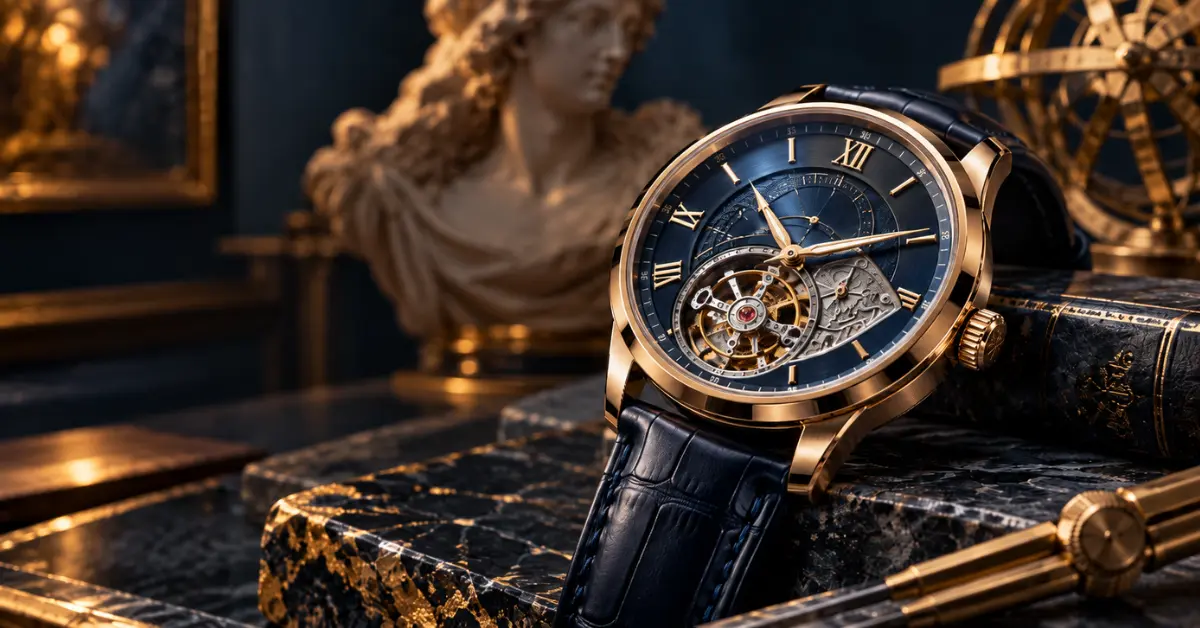
Solothurn was home to watchmaster artisans who honed complex mechanical movements. Making these intricate pieces required serious precision and skill, something Swiss watches became famous for. This success wasn’t just about good watches; it drove economic growth and created tons of jobs. The whole community played a part in the watch trade from suppliers and engineers to shopkeepers.
Still, watchmakers faced major obstacles. They weathered tough economic times, world wars, and shifting fads. The Quartz Crisis of the ’70s posed a huge threat when cheap quartz watches from Asia hit markets worldwide. Traditional Swiss mechanical watch firms couldn’t compete with the lower prices, leaving many unable to hold their ground.
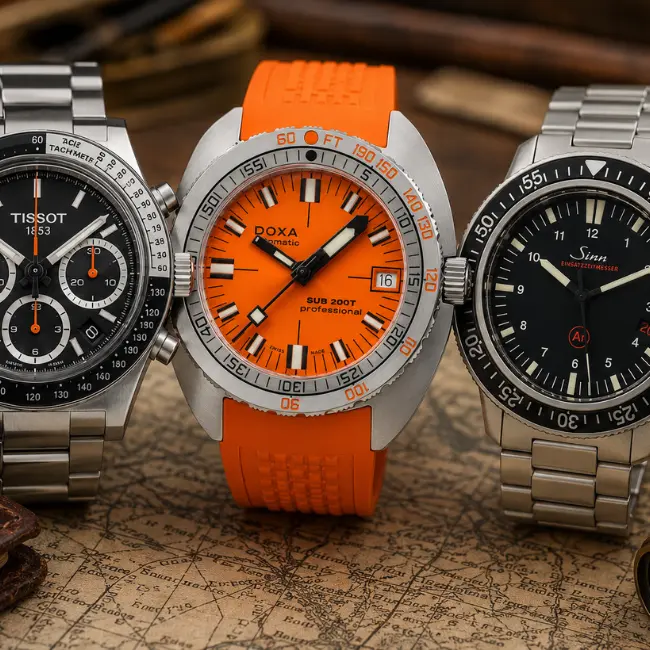
However, the Swiss proved super resilient. Instead of abandoning age-old techniques, they shifted their focus to blending heritage with luxe touches and inventive twists. The method saved the reputation of Swiss-made watches and brought the industry back to life. If you enjoy exploring unique destinations, check out our guide on Best Solo Travel Destinations for Women for inspiration on your next journey
Solothurn’s place in the watchmaking industry today
Today Solothurn stands for the long-standing Swiss watchmaking tradition. Production methods have changed a lot but at the heart of the industry are the values of precision, craftsmanship and innovation.
Many watch enthusiasts value the historical importance and the leading role of the region in the field of Swiss horology. Museums, historical archives and cultural institutions are the custodians of the watchmaking legacy for future generations.
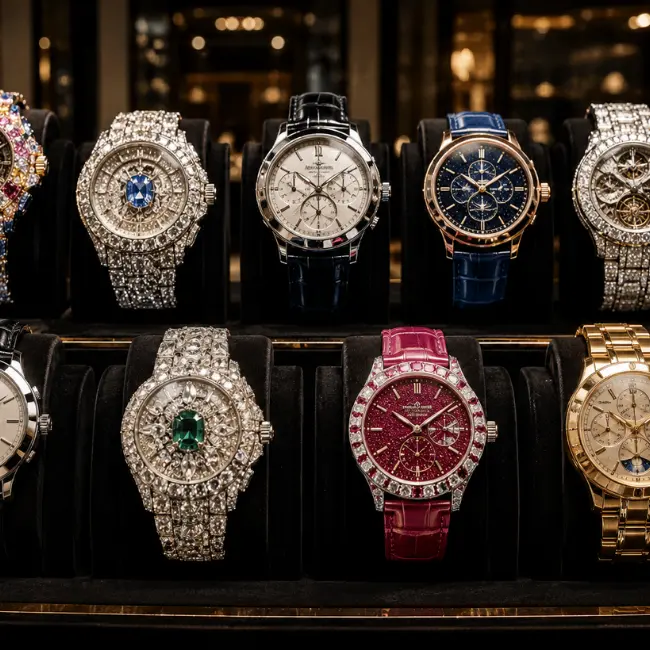
Today, the influence of Solothurn is still visible in the precision and craftsmanship that define the Swiss luxury watches.
The History of the Watch Industry Future
The outlook for the Swiss watch industry looks great. Fine mechanical watches keep attracting collectors and enthusiasts worldwide.
In places like Solothurn, we see how watchmaking evolved from tiny workshops to global icons. These areas teach us how past innovations can lead the next wave of watchmakers. So, the lessons keep guiding new generations.
Conculsion
The History of the Watch Industry in Solothurn and nearby areas shows the hard work, skill, and creativity of Swiss watchmakers. This region played a major role in turning Switzerland into the world’s top fine watchmaker. It grew from modest workshops into respected global brands, demonstrating their lasting impact and success.
As the industry continues to change, Solothurn is an important chapter in the story of global watchmaking.Years from now, its contribution to precision engineering, luxury craftsmanship and horological excellence will continue to be celebrated.